
 English
 Français
 Español
 日本語
 العربية
 简体中文


Vietnam: MST releases railway mobile communication band plan
On November 6, 2026, Vietnam’s Ministry of Science and Technology (MST) promulgated Notice No. 67/2026/TT-BKHCN, establishing new frequency allocation and planning requirements for the country’s railway mobile communication systems. The regulation covers the 874.4–880 MHz, 919.4–925 MHz, and 1900–1910 MHz frequency bands.
Issued under Vietnam’s Radio Frequency Law, the new regulation establishes mandatory spectrum requirements for railway-specific wireless communication equipment. It also replaces the previous provisions concerning the 900 MHz band under Decision No. 25/2008/QĐ-BTTTT.
Under the new framework, the manufacture, importation, deployment, and frequency utilization of railway communication equipment in Vietnam must comply with the updated spectrum allocation rules. These designated frequency bands are reserved for railway mobile communication systems and are not intended for use by public terrestrial mobile networks.
Key Regulatory Requirements
1. 900 MHz Frequency Band – FDD Operation
The regulation designates the following frequency ranges for Frequency Division Duplex (FDD) operation:
Uplink: 874.4–880 MHz
Downlink: 919.4–925 MHz
Bandwidth: 5.6 MHz for each direction
2. 1900 MHz Frequency Band – TDD Operation
The 1900–1910 MHz frequency range is allocated for Time Division Duplex (TDD) operation, corresponding to the 3GPP Band n101 specification.
3. Frequency Coordination Requirements
Where railway communication systems have overlapping coverage areas, intersecting railway lines, or shared base station infrastructure, the relevant operators are required to coordinate their technical parameters. This includes reaching agreements on boundary field-strength limits and antenna configurations to minimize potential interference.
4. Protection Against Adjacent-Frequency Interference
Additional interference-prevention measures are required for neighboring frequency bands:
Public mobile network operators using the 1920–1980 MHz band should improve receiver selectivity to reduce potential interference.
License holders operating within the 918.4–923 MHz range are subject to mutual frequency coordination obligations.
Impact on Railway Wireless Equipment
The new frequency planning framework provides a dedicated spectrum arrangement for railway mobile communication systems in Vietnam. Manufacturers, importers, and railway communication equipment suppliers should review their existing frequency configurations and ensure that their products and deployment plans comply with the newly designated bands and coordination requirements.
 博客
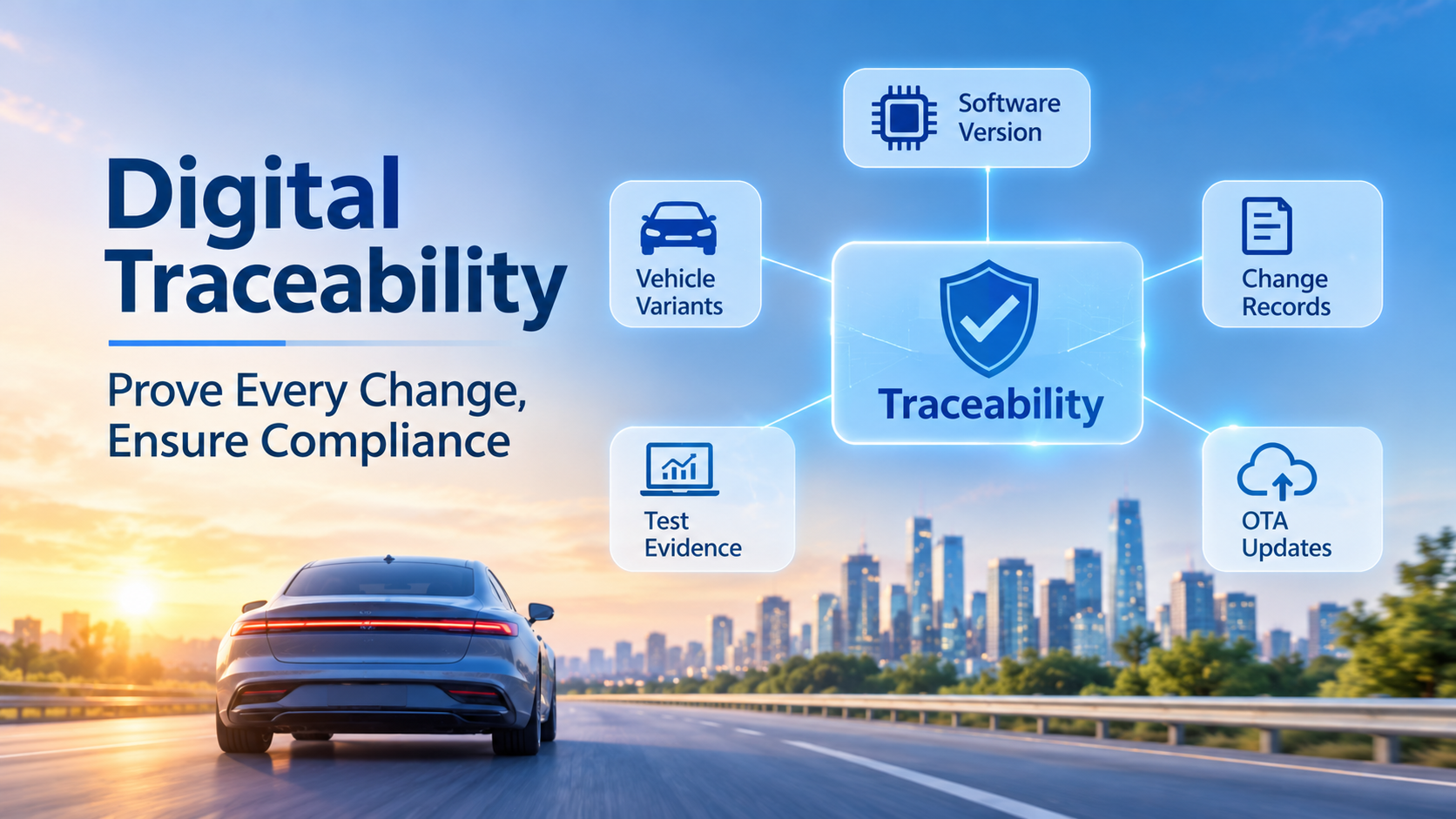
Why Future Vehicle Certification Will Depend On Digital Traceability
閱讀文章
 博客
Why SASO 2938 Is Becoming a Software Validation Project
閱讀文章
 博客
SASO 2938 vs GSO 2693: What the 2026 GCC DAB+ Requirements Mean for In-Vehicle Radio Receive
閱讀文章
 博客
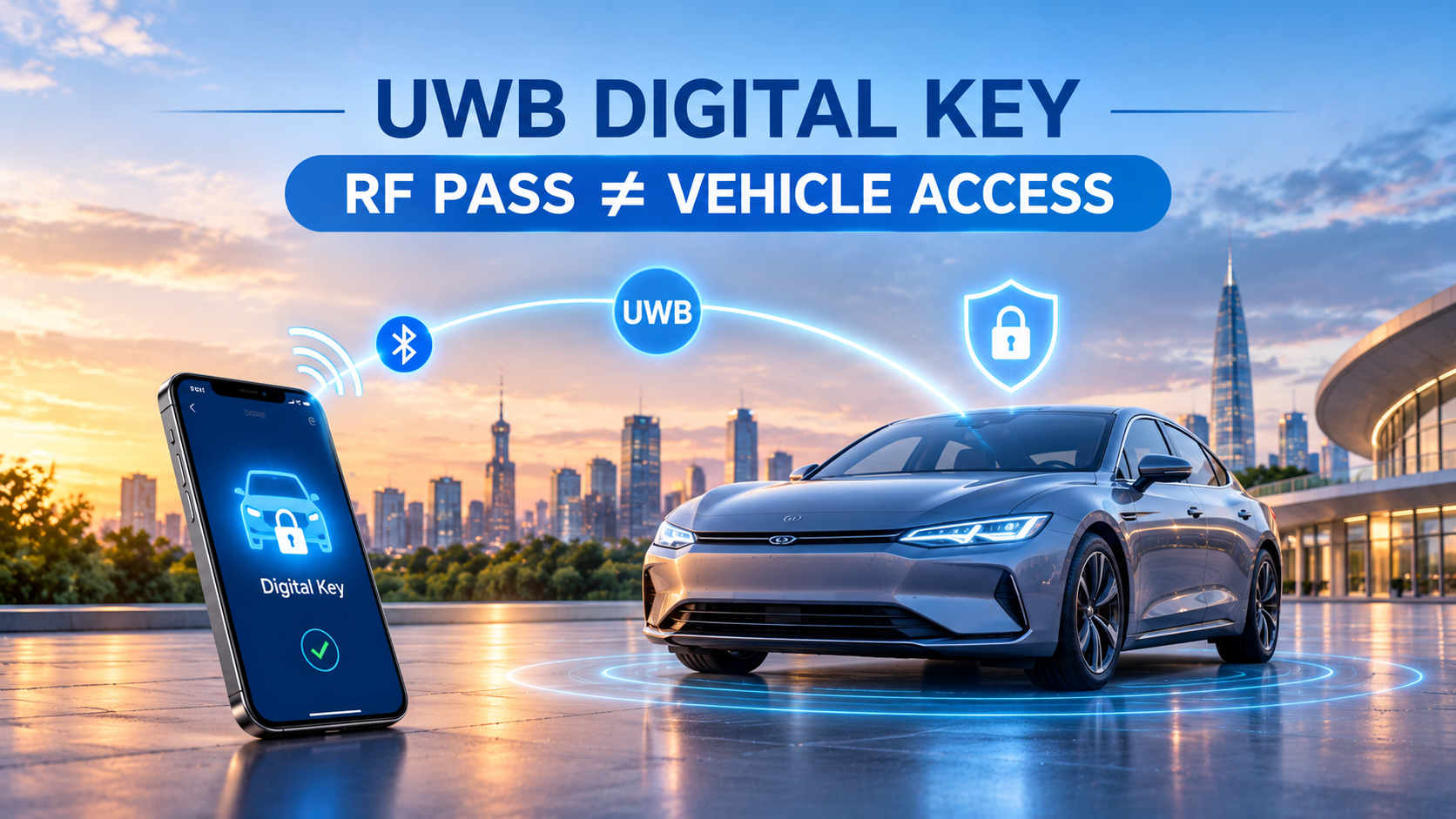
Your UWB Digital Key Passed RF Testing. Is It Ready for Real Vehicle Access?
閱讀文章
 博客
FCC Equipment Authorization: Key Inputs to Prepare Before Testing
閱讀文章
 博客
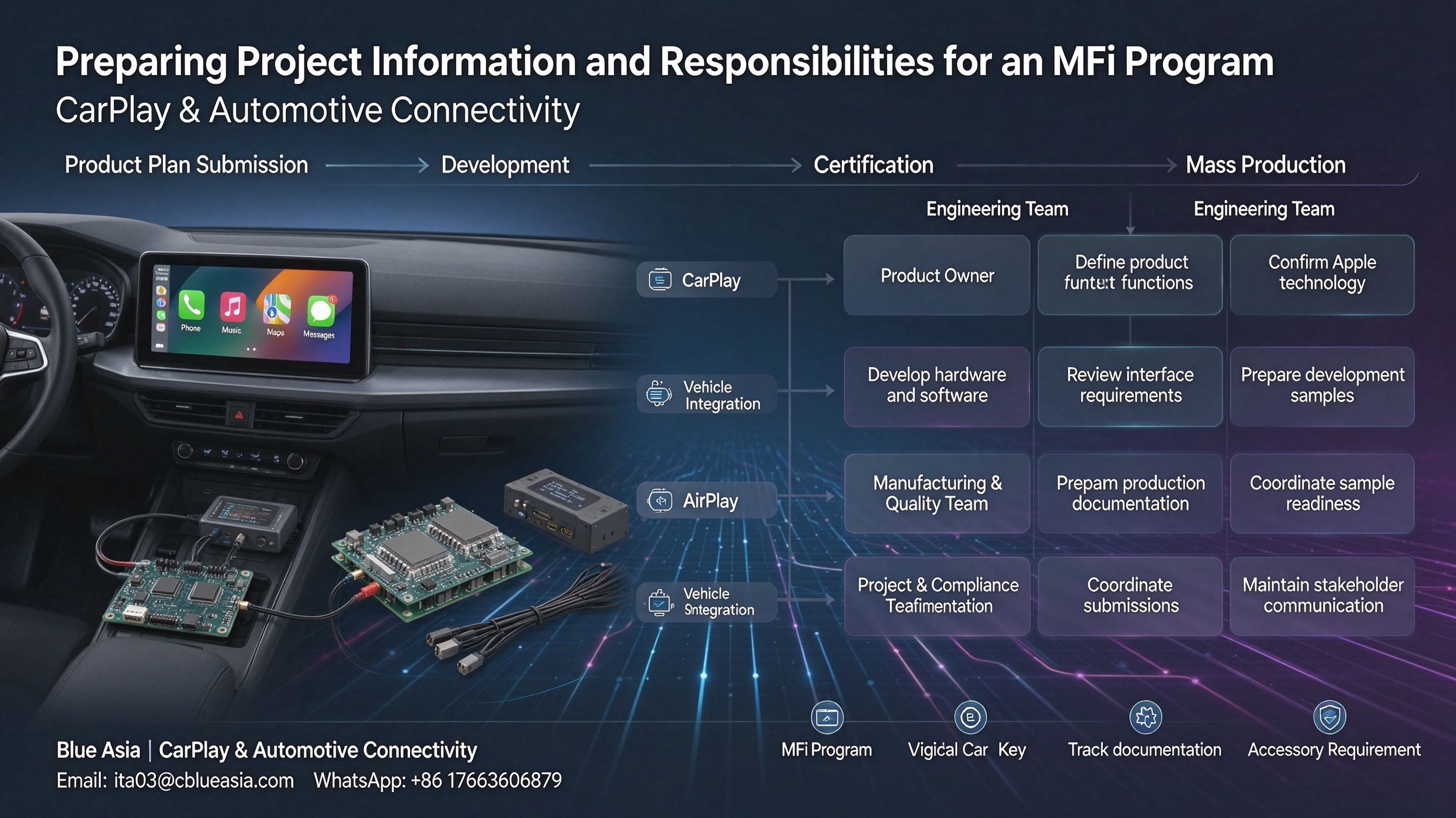
Preparing Project Information and Responsibilities for an MFi Program
閱讀文章

 4000259520