
 English
 Français
 Español
 日本語
 العربية
 简体中文


Why Testing Is Moving From Products To Platforms
Why Testing Is Moving From Products To Platforms
You're no longer validating one product.
You're validating a platform.
For decades, automotive testing followed a familiar model.
Develop one product.
Build prototypes.
Validate the hardware.
Complete certification.
Launch to market.
That approach worked when vehicles changed slowly and products remained largely unchanged after production.
But today's automotive industry is different.
Modern vehicles continue to evolve through software, connectivity and OTA updates.
As a result, testing is no longer focused on one fixed product.
It is increasingly focused on validating an entire Vehicle Platform.
A vehicle is no longer a single product
Many manufacturers now build vehicles around common platforms.
One platform may support:
Multiple vehicle models
Different regional configurations
Various software packages
Optional features
Future OTA upgrades
Instead of maintaining separate engineering programs, companies develop one adaptable platform.
This improves efficiency.
It also changes how validation should be approached.
Every update creates a new validation challenge
In the past, testing was largely completed before production.
Today, software continues to evolve throughout the vehicle lifecycle.
A single OTA update may introduce:
New features
Performance improvements
Security enhancements
Bug fixes
User interface changes
Although the hardware remains the same, the platform has changed.
Engineering teams must determine:
Which functions are affected?
Which vehicle variants require validation?
Which markets are impacted?
What evidence should be updated?
Testing has become an ongoing activity rather than a one-time event.
Shared software connects multiple products
Another major change is the growing use of shared software.
The same software platform may support:
Passenger cars
SUVs
Commercial vehicles
Electric vehicles
Regional product variants
Updating one software module may therefore affect multiple products at once.
This is why Platform Validation is becoming increasingly important.
The objective is no longer validating one vehicle.
It is understanding how one software change influences an entire product family.
Variants multiply engineering complexity
Platform strategies reduce hardware duplication.
However, they also create numerous software and configuration combinations.
Different markets may require:
Different wireless features
Different languages
Different digital broadcasting functions
Different emergency communication capabilities
Different software options
Every configuration introduces another validation scenario.
The challenge is no longer testing one product.
It is managing validation across an expanding platform ecosystem.
System validation becomes essential
As platforms become more integrated, individual component testing is no longer sufficient.
Engineering teams increasingly need to evaluate:
Software interactions
Wireless coexistence
Shared computing resources
Configuration management
Lifecycle changes
Platform stability after updates
This is why System Validation is becoming a key discipline in modern automotive development.
The goal is not simply to confirm that one feature works.
It is to ensure the entire platform continues working reliably as it evolves.
Testing strategies must evolve
Successful organizations are changing how they think about validation.
Instead of asking:
"Has this product been tested?"
They increasingly ask:
Has the platform been validated across all major variants?
How will future OTA updates be assessed?
Which software changes require additional testing?
Can validation be reused across different vehicle models?
Is traceability maintained throughout the platform lifecycle?
These questions reflect a shift from product thinking to platform thinking.
Five questions every engineering team should ask
Before launching a new vehicle platform, ask:
✅ Is validation planned for the platform—not only the first product?
✅ Can software updates be assessed efficiently?
✅ Are all major variants included in the validation strategy?
✅ Can configuration changes be traced throughout the lifecycle?
✅ Does the validation process support future platform evolution?
Answering these questions early helps reduce long-term engineering risk.
Final Thoughts
The future of Software-Defined Vehicles is changing more than product development.
It is changing how validation itself is performed.
As platforms support more vehicles, more software versions and more regional configurations, testing must evolve beyond individual products.
The companies that succeed will not simply build reliable vehicles.
They will build reliable validation strategies for platforms that continue evolving long after production begins.
Because in the era of connected vehicles, the product is no longer the final deliverable.
The platform is.
Join the discussion
How is your organization adapting its validation strategy?
Are you still testing individual products…
Or are you beginning to validate entire platforms?
I'd love to hear your perspective in the comments.
 博客
Why Future Vehicle Certification Will Depend On Digital Traceability
閱讀文章
 博客
Why SASO 2938 Is Becoming a Software Validation Project
閱讀文章
 博客
SASO 2938 vs GSO 2693: What the 2026 GCC DAB+ Requirements Mean for In-Vehicle Radio Receive
閱讀文章
 博客
Your UWB Digital Key Passed RF Testing. Is It Ready for Real Vehicle Access?
閱讀文章
 博客
FCC Equipment Authorization: Key Inputs to Prepare Before Testing
閱讀文章
 博客
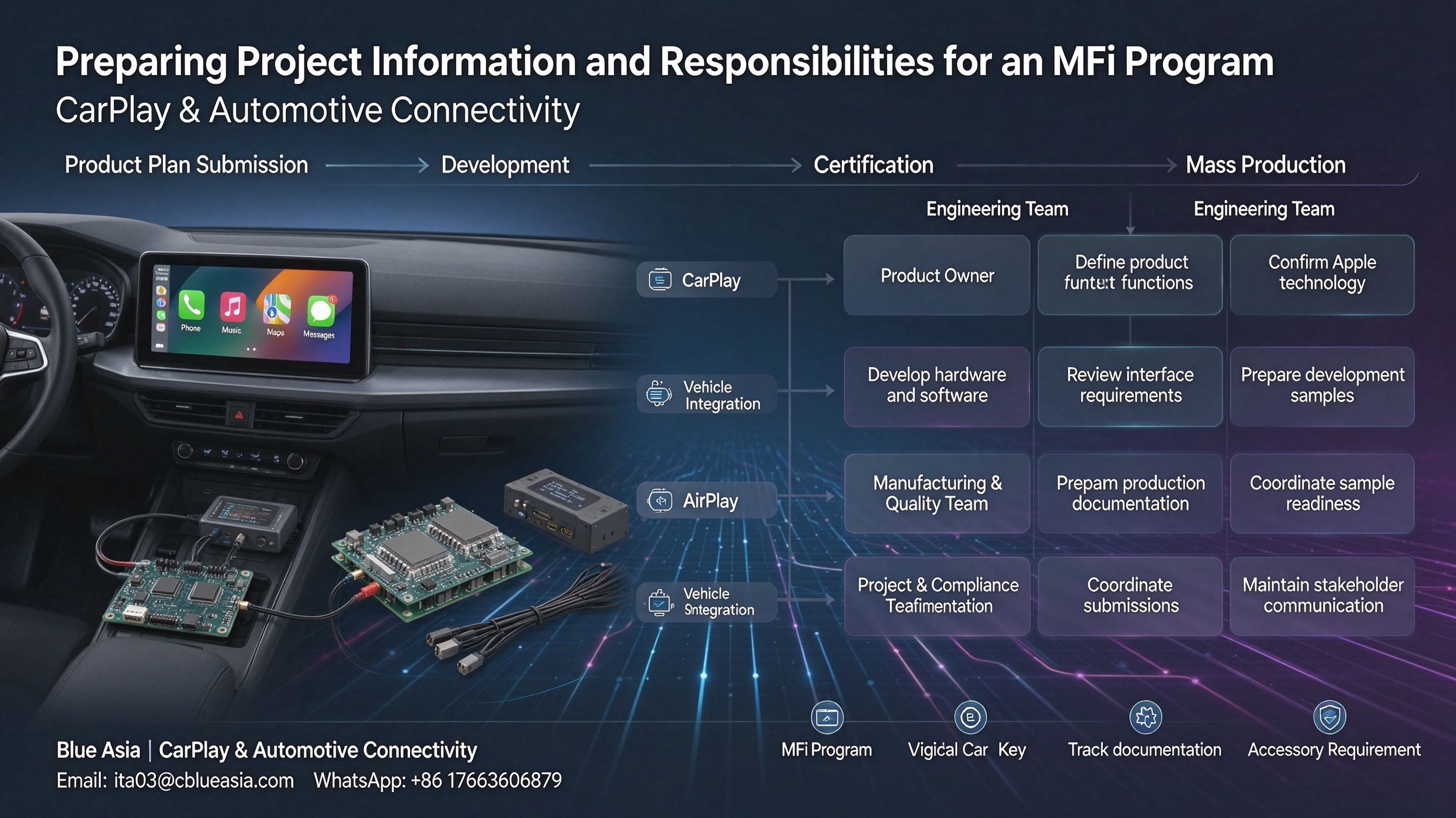
Preparing Project Information and Responsibilities for an MFi Program
閱讀文章

 4000259520