
 English
 Français
 Español
 日本語
 العربية
 简体中文


Saudi Arabia Autonomous Vehicle Regulation 2026 – What Suppliers Need to Know
Saudi Arabia's New Autonomous Vehicle Regulation: What Connected Vehicle Suppliers Should Prepare for
Saudi Arabia is moving beyond conventional vehicle regulation as autonomous driving technology becomes part of its wider mobility strategy.
One important milestone arrived in 2026. The Saudi Standards, Metrology and Quality Organization (SASO) listed its Technical Regulation for Autonomous Vehicles with a mandatory application date of April 29, 2026.
For automotive manufacturers and technology suppliers, this signals a more structured regulatory environment for vehicles equipped with automated driving functions.
A New Regulatory Step for Autonomous Vehicles
The regulation was approved on July 17, 2025 and published on October 31, 2025. Its mandatory application date is April 29, 2026.
This development is relevant to manufacturers preparing vehicles with automated driving capabilities for the Saudi market.
It also deserves attention from suppliers involved in vehicle electronics, sensing systems and connected vehicle technologies.
Why Connectivity and Electronics Matter
An autonomous vehicle is not simply a conventional vehicle with additional cameras.
Its operation depends on several electronic systems working together, including:
Radar, cameras and other sensing technologies
Electronic control units and vehicle communication networks
GNSS positioning and navigation systems
Wireless communication modules
Software-based driving and safety functions
The performance of these systems depends on reliable hardware, software integration and communication between different vehicle components.
A failure in one part of the system may affect the overall driving function.
What Should Automotive Suppliers Review?
For suppliers developing electronic components for automated vehicles, several areas deserve attention during product development.
1. Sensor and RF performance
Radar and wireless systems should be evaluated for performance, interference and compatibility with the vehicle's electronic environment.
2. EMC performance
As the number of electronic systems increases, electromagnetic compatibility becomes increasingly important. Unwanted interference can affect communication and sensor operation.
3. Software and system integration
The interaction between sensors, controllers and vehicle networks needs to be considered as part of system-level validation.
4. Technical documentation
Manufacturers should maintain clear product specifications, test evidence and configuration records for the relevant vehicle systems.
Don't Treat It as Just Another Vehicle Approval
Autonomous driving introduces technical considerations that go beyond traditional vehicle electronics testing.
For OEMs and Tier 1 suppliers, the important step is to understand which regulatory requirements apply to the vehicle category and automation functions, then identify the supporting technical evidence needed for approval.
The exact requirements should be checked against the official regulation and applicable referenced standards rather than assuming that all connected vehicle components follow one certification route.
Preparing for the Next Generation of Mobility
Saudi Arabia's autonomous vehicle regulation is another sign that the region's automotive market is developing beyond traditional vehicle technologies.
For suppliers working on connected cars, intelligent cockpits and automotive electronics, early validation of RF, EMC and system performance can make future market entry more predictable.
Blue Asia Labs provides automotive electronics testing and validation services, supporting manufacturers as vehicle technology and regulatory requirements continue to evolve.
 博客
Why Buses And Trucks Face Different Connectivity Challenges Than Passenger Cars
閱讀文章
 博客
The Future Compliance Engineer Will Need to Understand Systems—Not Standards
閱讀文章
 博客
Trucks and Buses Exported to the Middle East: Do eCall and DAB+ Apply the Same Way?
閱讀文章
 博客
Your 77 GHz Radar Passed RF Testing. Why Can the Vehicle Still Fail EMC?
閱讀文章
 博客
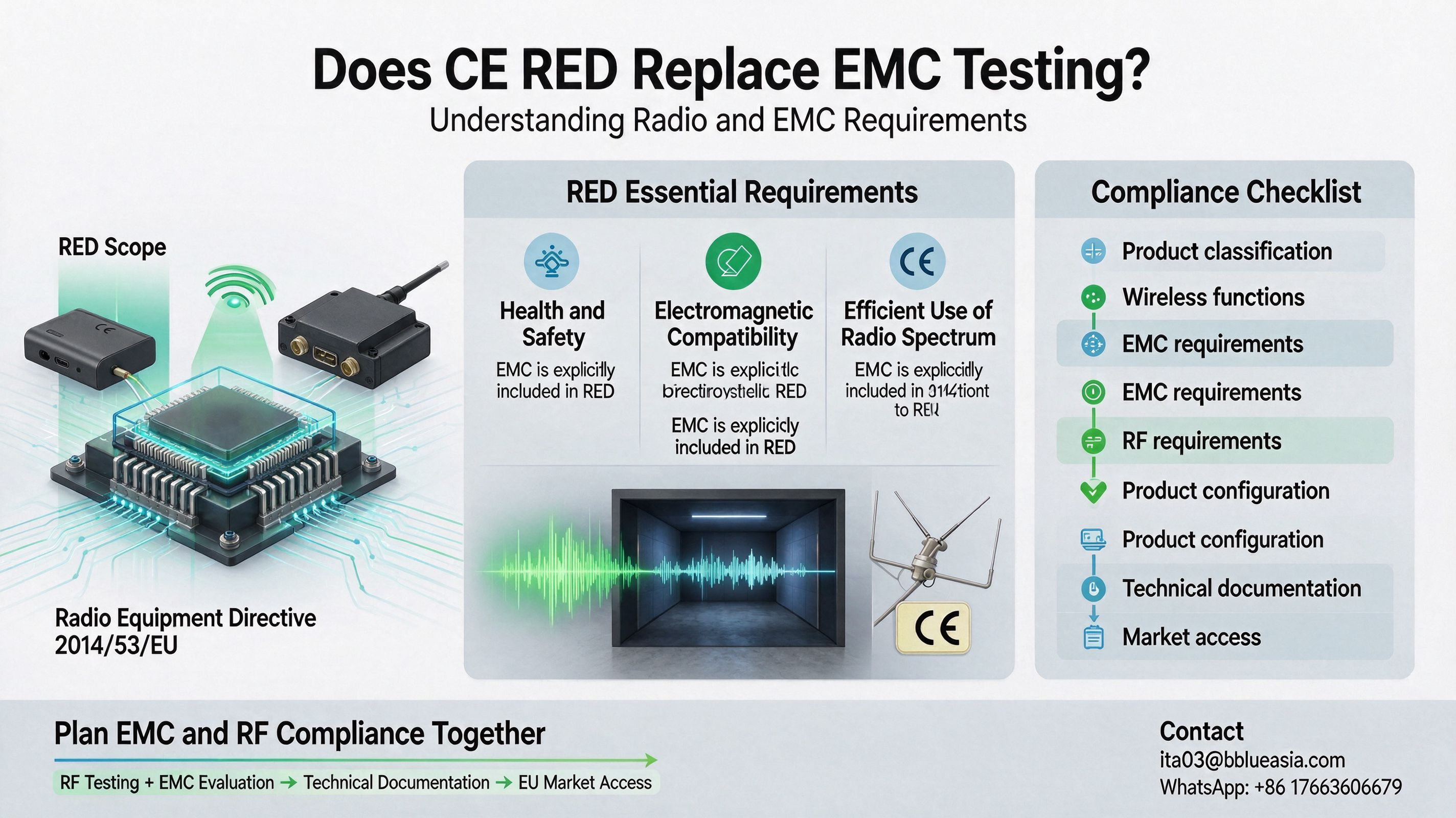
Does CE RED Replace EMC Testing? Understanding the Relationship Between Radio and EMC Requir
閱讀文章
 博客
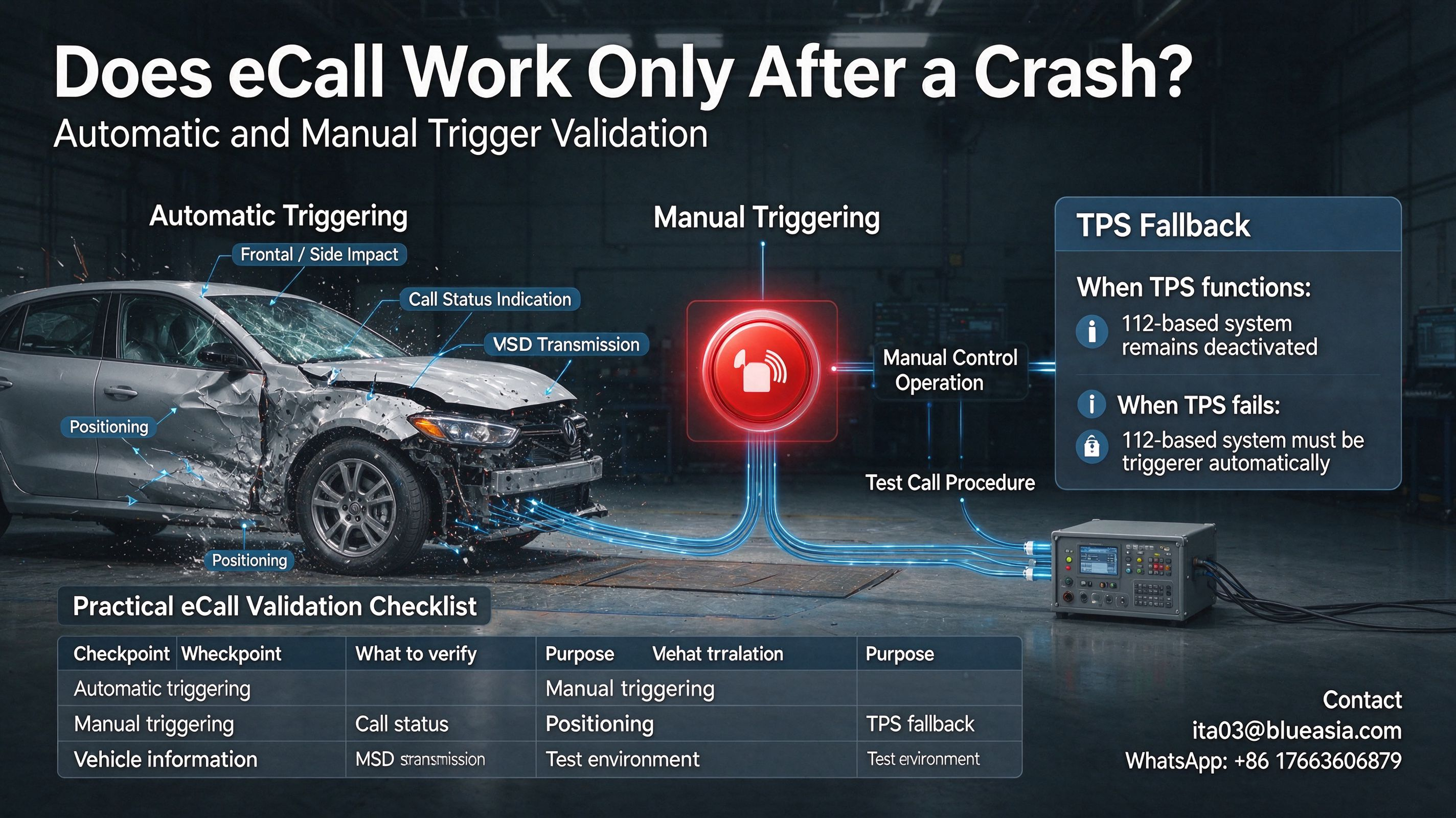
Does eCall Work Only After a Crash? Understanding Automatic and Manual Trigger Testing
閱讀文章

 4000259520