
 English
 Français
 Español
 日本語
 العربية
 简体中文

Does Your App Qualify for Android Auto? Understanding App Categories and Car Quality Requirements
Contact:
Email: [email protected]
WhatsApp: +86 17663606879
Developing an Android application does not automatically make it compatible with the automotive environment.
For software developers, automotive suppliers and infotainment manufacturers, understanding Google's app categories and quality requirements is an important step before planning an Android Auto or Android Automotive OS project.
So, what should development teams consider?
1. Android Auto and Android Automotive OS: Not the Same Platform
Google supports different automotive application environments.
Android Auto: Allows supported applications to work through a compatible vehicle infotainment system using a connected Android device.
Android Automotive OS (AAOS): An Android-based operating system integrated directly into the vehicle.
Although both support automotive applications, their supported categories and applicable requirements are not identical.
Therefore, developers should identify the target platform before defining their validation strategy.
2. Understanding Google's Supported App Categories
Google's official Car App Quality Guidelines identify several application categories, including:
Media
Communication
Navigation
Point of Interest (POI)
Internet of Things (IoT)
Weather
Video
Games
Browsers
Not every category is supported on both platforms.
For example, Video and Browsers are listed for Android Automotive OS, while Communication categories such as messaging notifications and calling are listed for Android Auto.
This distinction matters when planning application functionality and platform compatibility.
3. Understanding the Three Car Quality Tiers
Google defines three quality levels for automotive applications.
Tier 3 – Car Ready
Applications are compatible with large-screen environments and can be used while the vehicle is parked.
Tier 2 – Car Optimized
Applications provide an automotive-oriented experience on the vehicle's center-stack display. Requirements depend on the application category and whether the app is designed for use while driving.
Tier 1 – Car Differentiated
Applications are designed to work across different vehicle hardware and display configurations, providing a more advanced automotive experience.
These tiers build upon one another. An application targeting Car Optimized should also satisfy the applicable Car Ready requirements.
4. What Should Development Teams Pay Attention To?
Before submitting an application, teams should consider several important areas.
Application category
Identify the correct category and filter Google's guidelines accordingly.
Driver distraction
Check whether the application's functionality is permitted while driving or only when the vehicle is parked.
User interface
Evaluate screen adaptation, navigation, readability and interaction behavior.
Performance
Review application launch time, responsiveness and content loading.
Platform-specific testing
Google identifies different testing approaches:
Android Automotive OS: Android Emulator.
Android Auto: Desktop Head Unit (DHU).
The applicable checklist should be completed before submitting the application for review.
5. What Has Not Automatically Changed?
Meeting Android's application quality guidelines does not automatically mean that the vehicle's infotainment hardware has completed all relevant product testing or regulatory conformity assessments.
Similarly, successful application testing does not replace separate requirements that may apply to wireless communication, EMC or other electronic equipment.
Application compatibility and hardware compliance should be managed as related but distinct workstreams.
6. A Practical Preparation Checklist
| Checkpoint | Recommended action |
|---|---|
| Platform selection | Identify Android Auto or Android Automotive OS |
| App category | Confirm the applicable Google category |
| Quality tier | Determine the target quality level |
| User experience | Review driving and parked-mode behavior |
| Emulator testing | Complete applicable platform-specific checks |
| Submission | Prepare the application for Google Play review |
| Hardware compliance | Evaluate separate EMC and RF requirements where applicable |
These steps help development teams organize their work before the application review process.
7. Supporting Automotive Electronics Projects
For automotive suppliers, application compatibility is only one part of the overall infotainment development process.
Hardware, wireless communication and electromagnetic compatibility also deserve attention during product development and market access planning.
Blue Asia provides third-party testing and certification services for electronic products, including EMC, RF and global market access-related services.
We welcome discussions with automotive electronics manufacturers and suppliers looking for testing and certification support.
Contact:
Email: [email protected]
WhatsApp: +86 17663606879
 博客
Why Buses And Trucks Face Different Connectivity Challenges Than Passenger Cars
閱讀文章
 博客
The Future Compliance Engineer Will Need to Understand Systems—Not Standards
閱讀文章
 博客
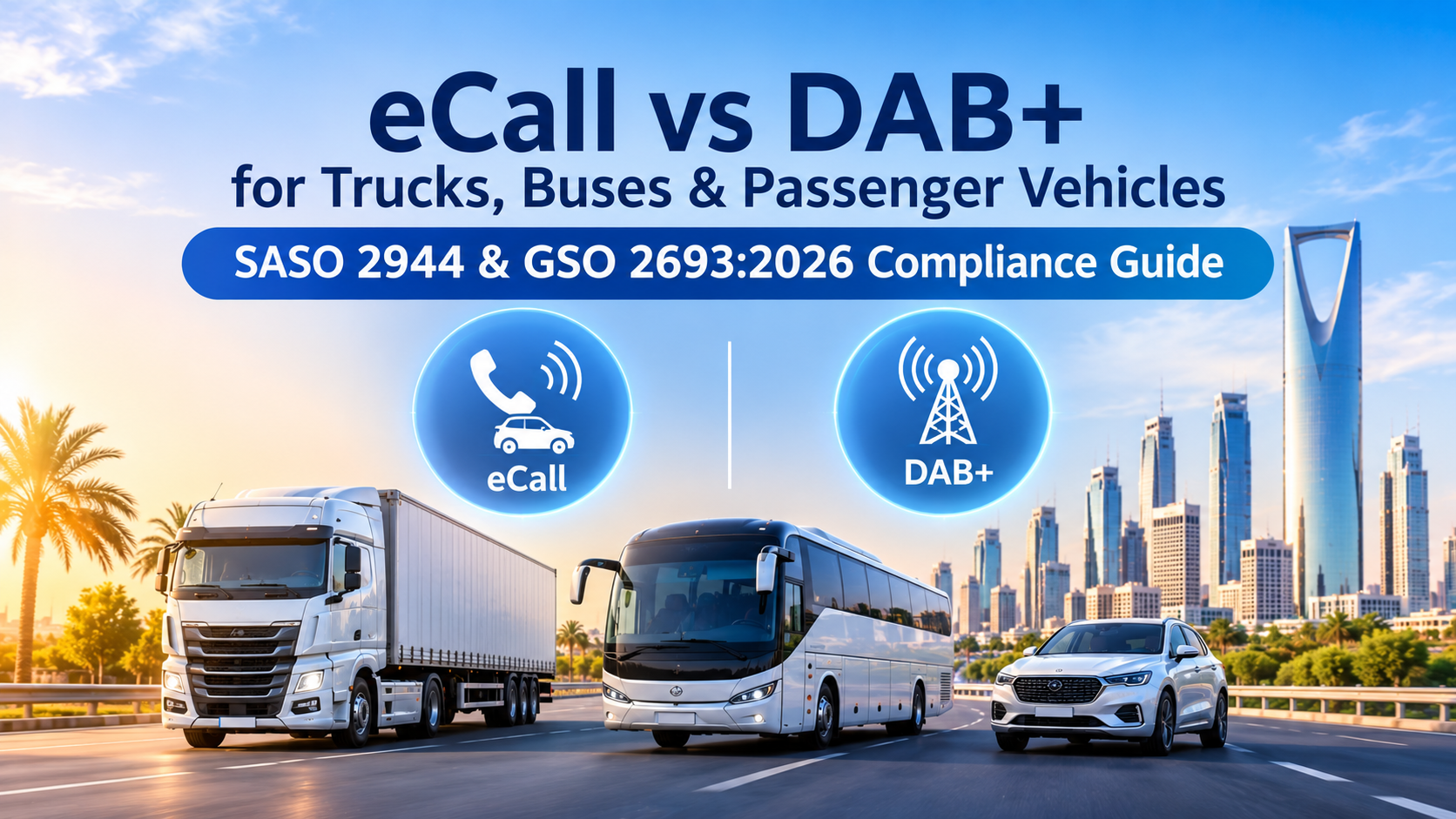
Trucks and Buses Exported to the Middle East: Do eCall and DAB+ Apply the Same Way?
閱讀文章
 博客
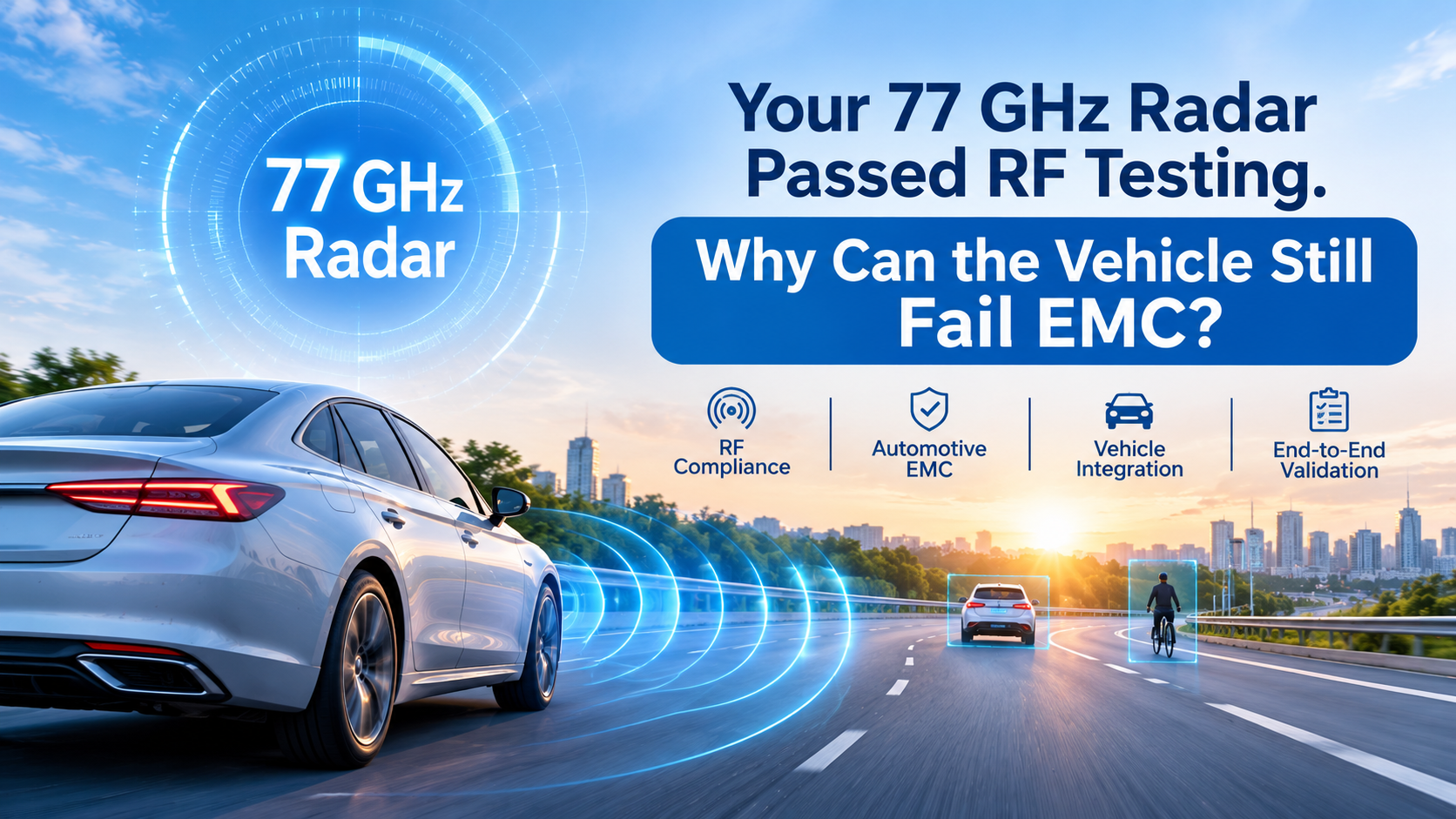
Your 77 GHz Radar Passed RF Testing. Why Can the Vehicle Still Fail EMC?
閱讀文章
 博客
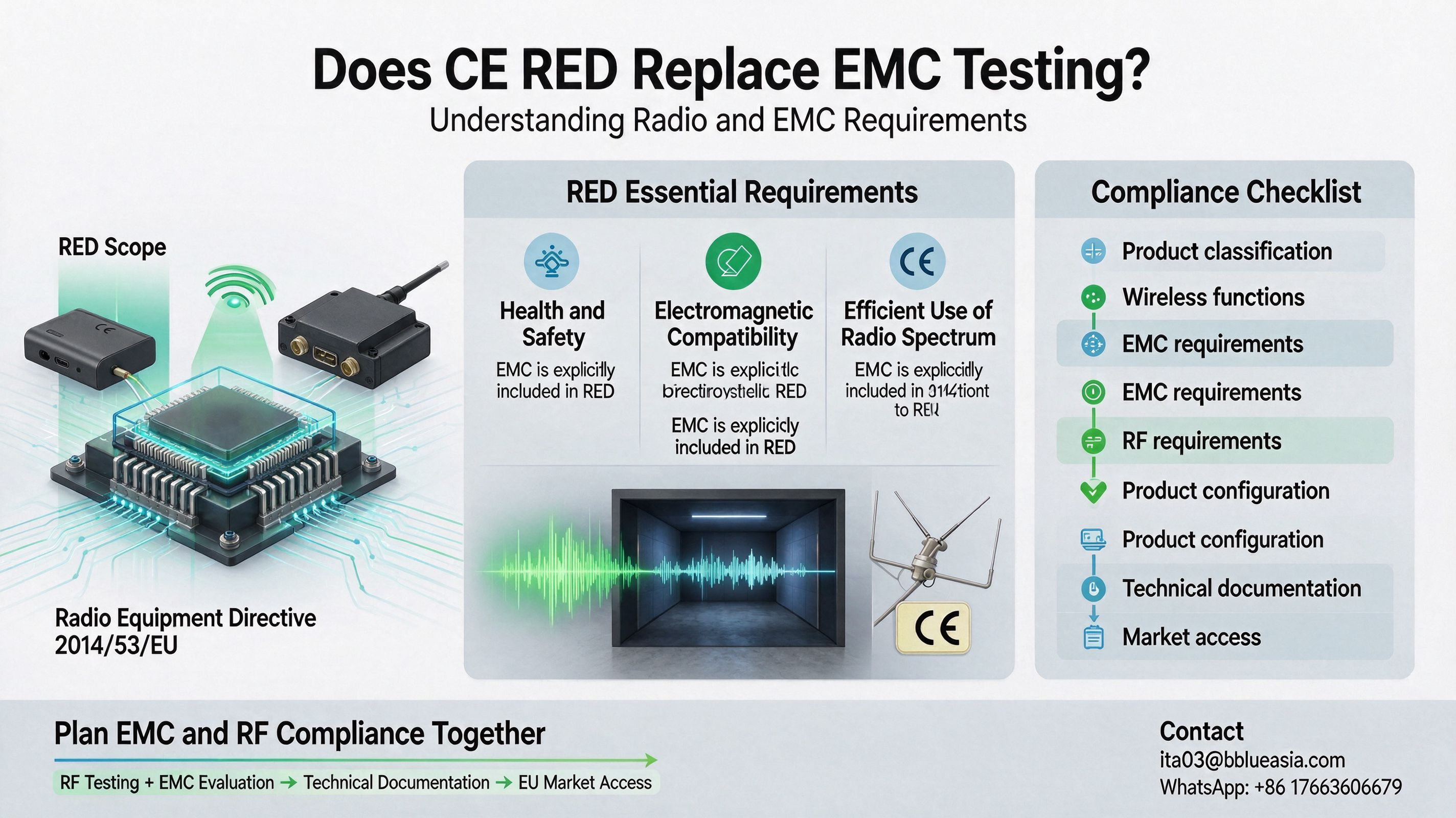
Does CE RED Replace EMC Testing? Understanding the Relationship Between Radio and EMC Requir
閱讀文章
 博客
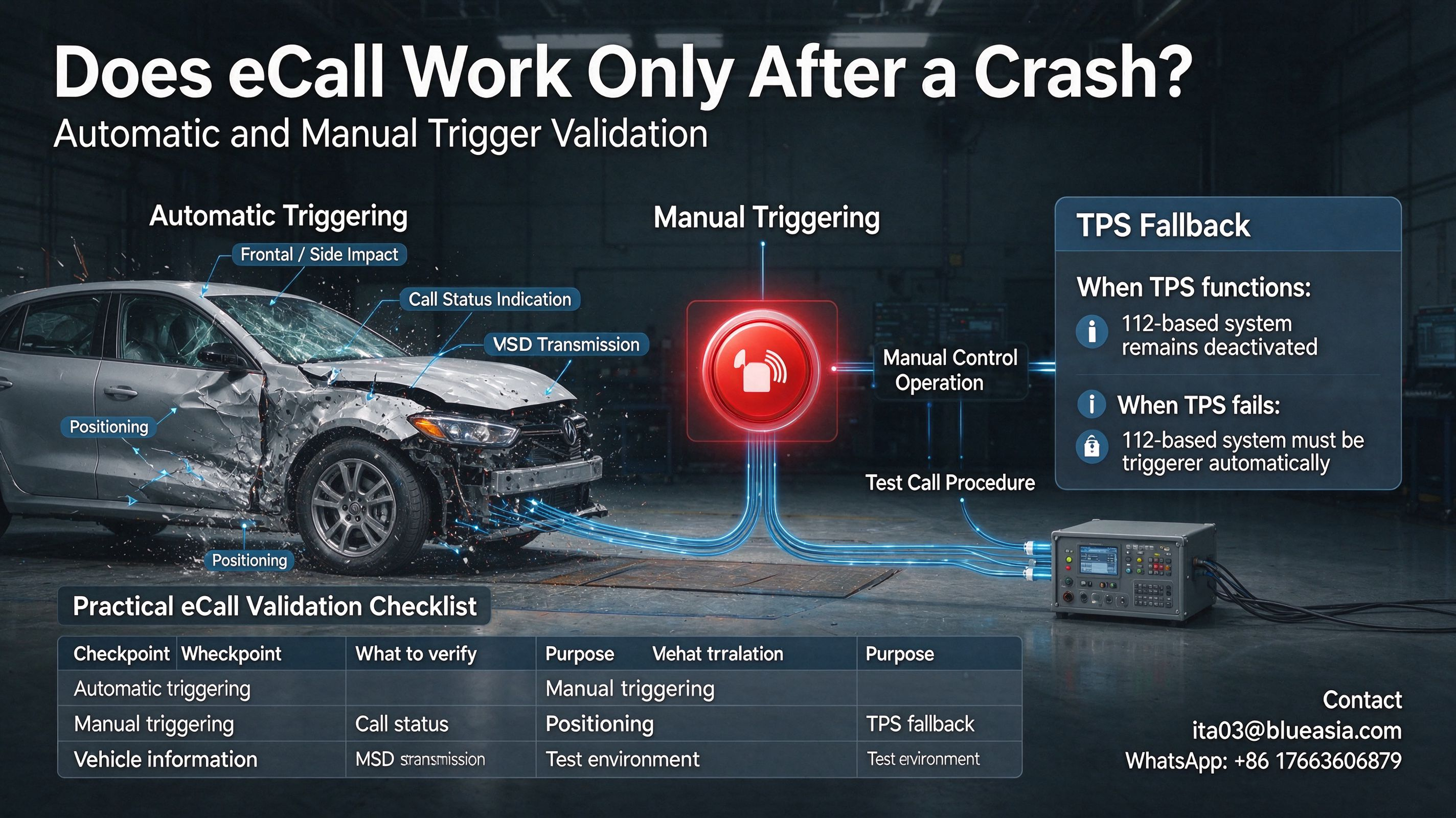
Does eCall Work Only After a Crash? Understanding Automatic and Manual Trigger Testing
閱讀文章

 4000259520